Introduction
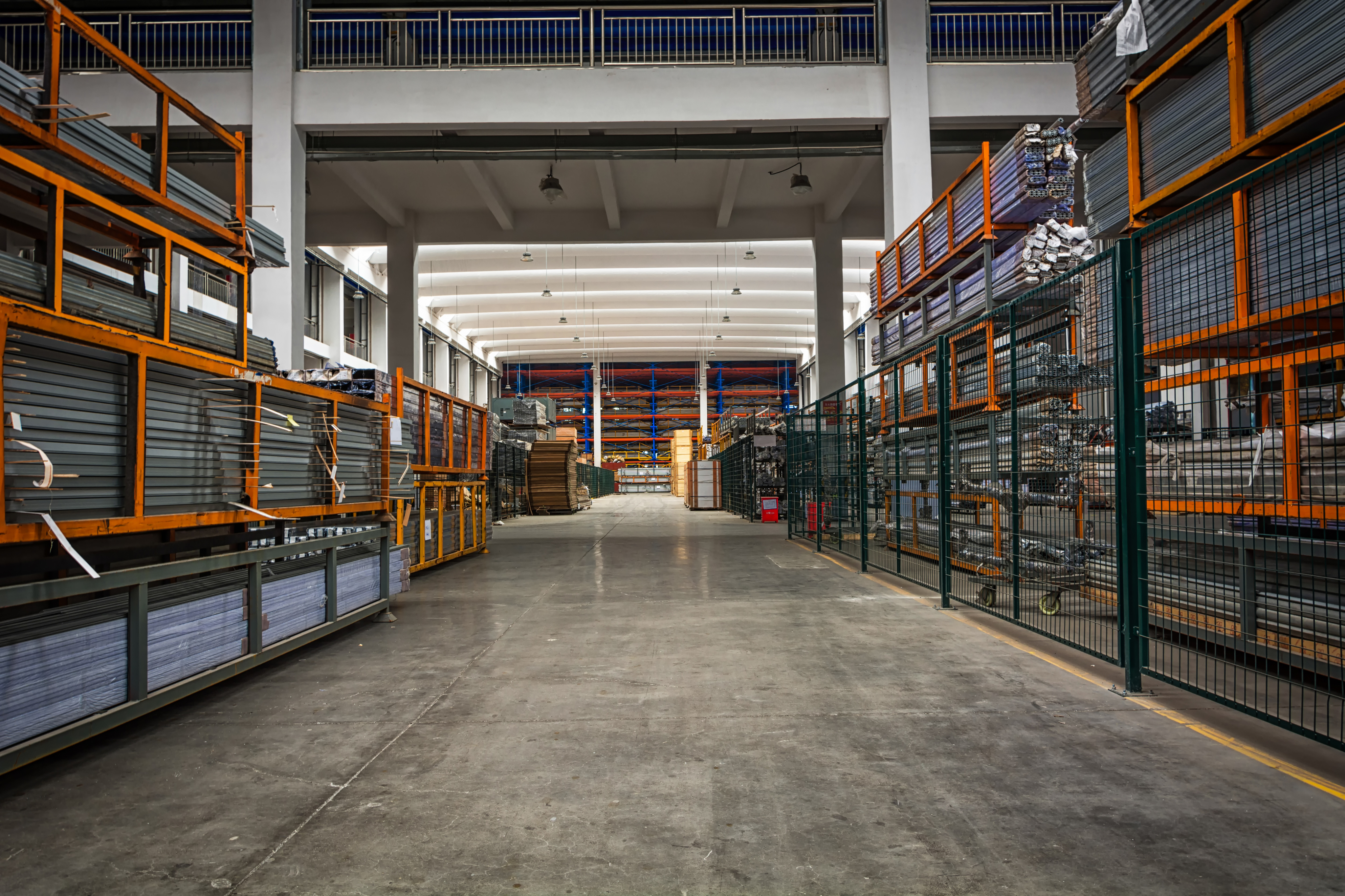
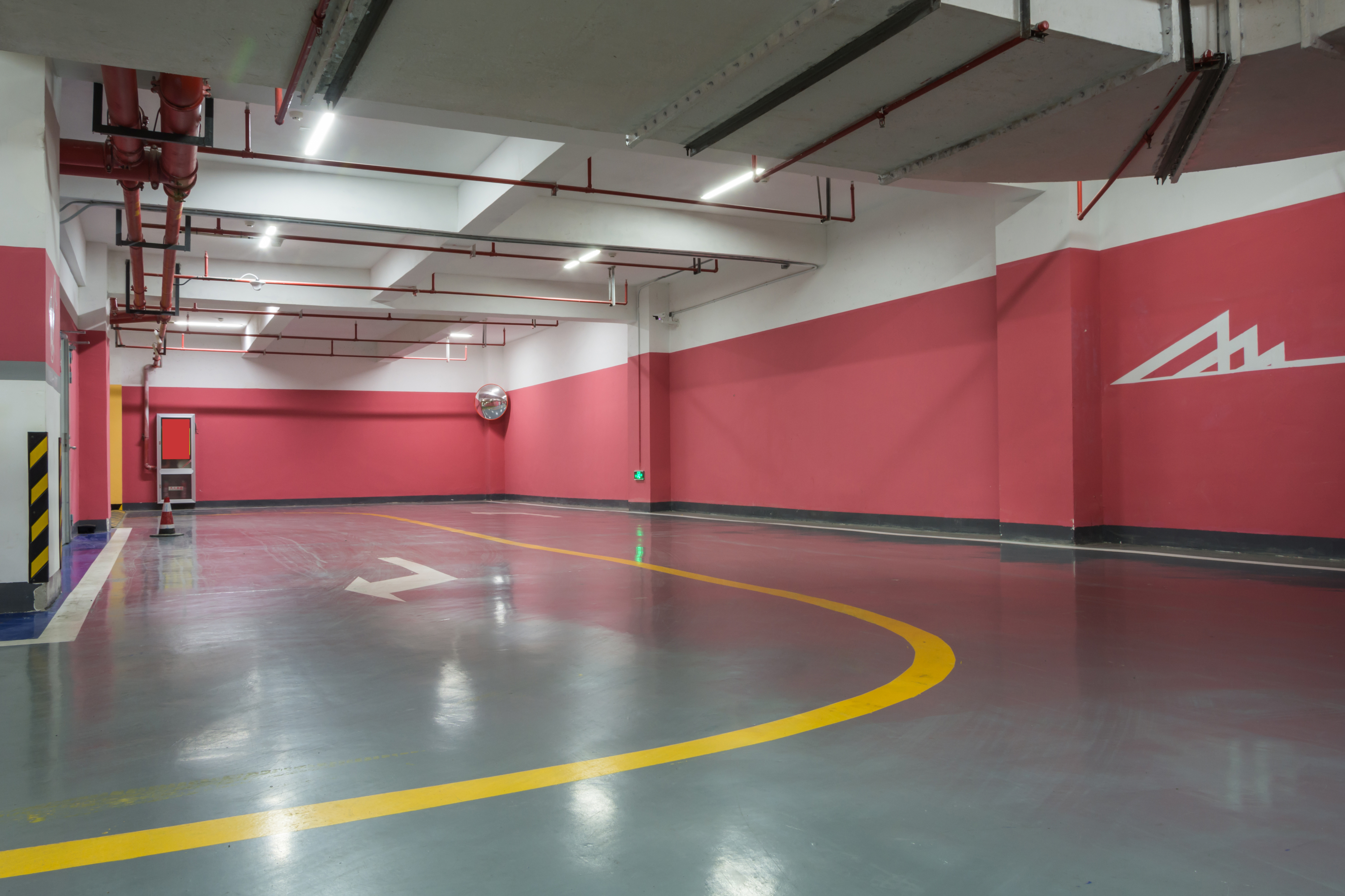
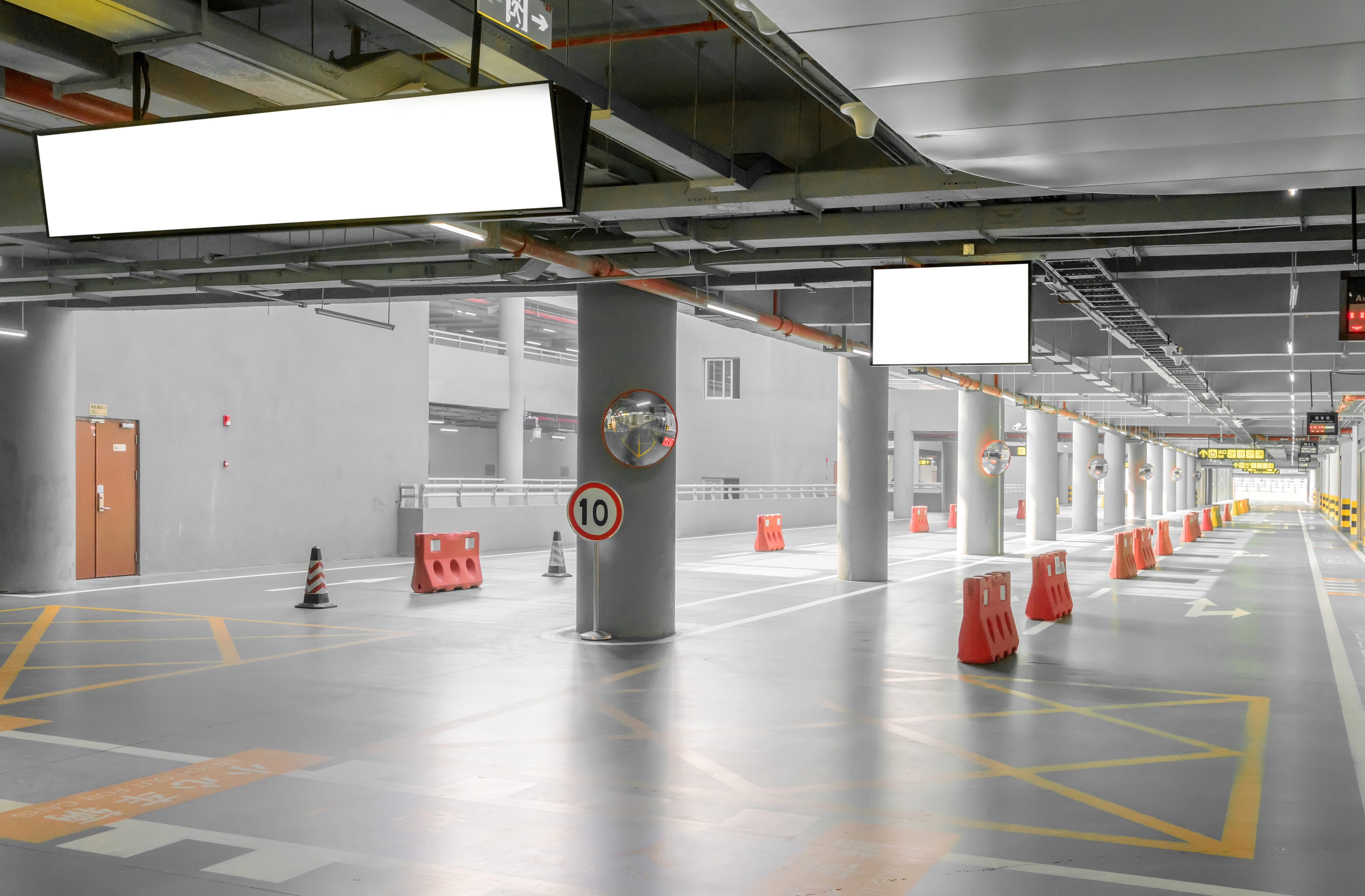
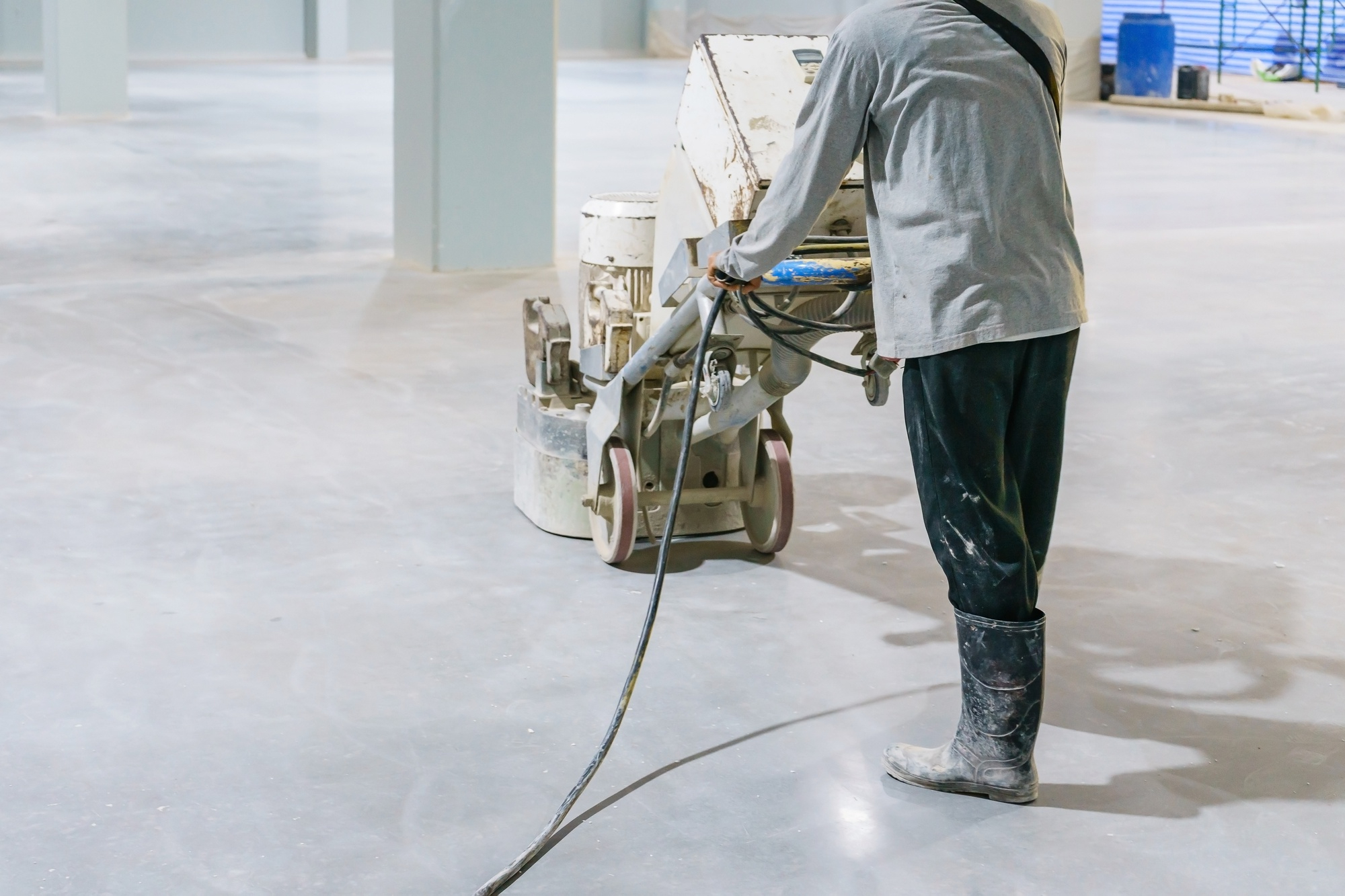
Industrial floor maintenance is essential for ensuring safety, durability, and operational efficiency in demanding work environments. Well-maintained floors reduce the risk of slips, trips, and workplace accidents. Regular cleaning and coating protect surfaces from heavy traffic, chemical spills, and mechanical wear. Proper maintenance also improves hygiene standards, especially in factories, warehouses, and processing facilities. Cracks, dust, and surface damage can compromise productivity and safety if ignored. Professional floor care enhances load-bearing performance and floor lifespan. It also supports compliance with industry regulations and safety standards. Clean, well-maintained floors improve workflow and equipment movement. Industrial maintenance reduces long-term repair costs. Overall, it safeguards both assets and people.
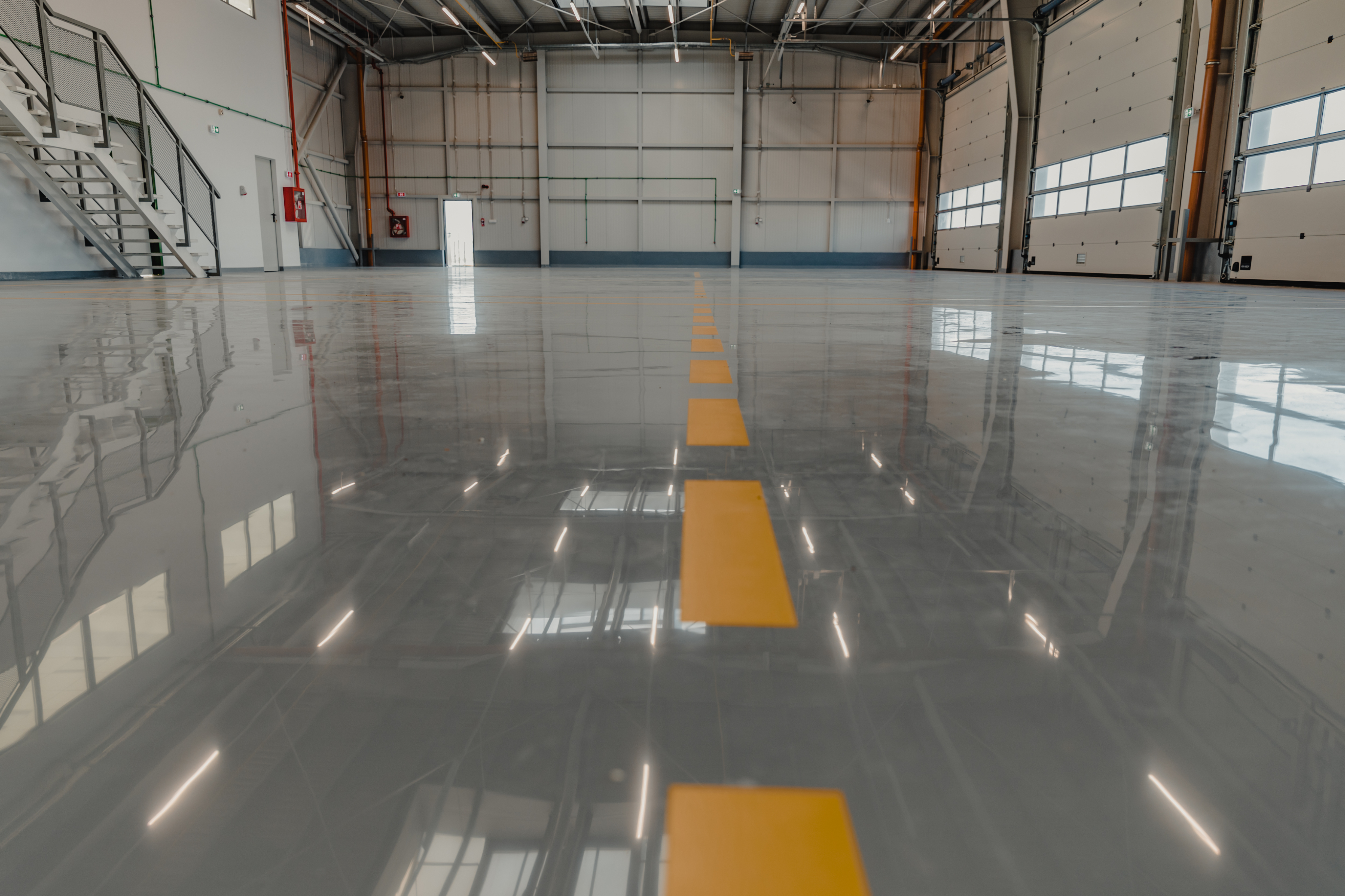
Industrial Floor Maintenance:
Industrial floor maintenance is a critical component of facility management that directly impacts safety, productivity, and long-term cost efficiency. Industrial environments such as factories, warehouses, manufacturing plants, parking structures, and logistics centers are exposed to heavy machinery, constant foot traffic, chemical spills, and extreme wear conditions. Without proper maintenance, floors can deteriorate rapidly, leading to safety hazards, operational disruptions, and expensive repairs.
One of the primary reasons industrial floor maintenance is important is workplace safety. Damaged floors with cracks, uneven surfaces, oil spills, or dust buildup significantly increase the risk of slips, trips, and falls. These hazards not only endanger workers but can also result in downtime, compensation claims, and regulatory penalties. Regular cleaning, repairs, and protective coatings help maintain slip resistance and create a safer working environment that meets health and safety standards.
Durability and performance are also key benefits of consistent floor maintenance. Industrial floors are designed to handle heavy loads, but over time, abrasion, impact, and chemical exposure can weaken the surface. Maintenance services such as deep cleaning, crack repair, joint sealing, and epoxy or polyurethane coatings protect the concrete substrate and enhance load-bearing capacity. This proactive approach extends the lifespan of the flooring system and prevents premature failure.
From an operational standpoint, well-maintained floors support efficiency and productivity. Smooth, clean surfaces allow for the safe movement of forklifts, pallets, and machinery, reducing wear on equipment and minimizing disruptions. Dust-free and sealed floors are particularly important in industries such as food processing, pharmaceuticals, and electronics, where cleanliness directly affects product quality and compliance.
Additionally, industrial floor maintenance offers long-term financial advantages. Preventive maintenance is far more cost-effective than large-scale repairs or complete floor replacement. By addressing minor issues early, businesses can avoid costly shutdowns and extend the value of their infrastructure investment. In conclusion, industrial floor maintenance is not just about appearance—it is a strategic necessity that ensures safety, compliance, efficiency, and sustainability in industrial operations.
Our Clients






Case Studies
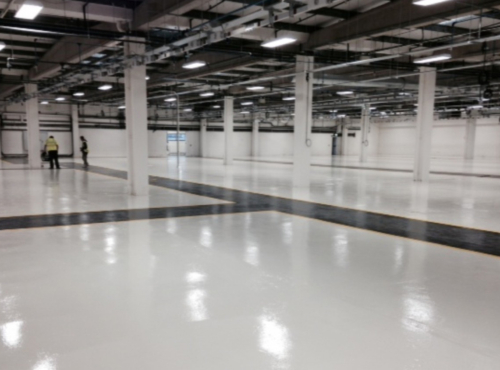
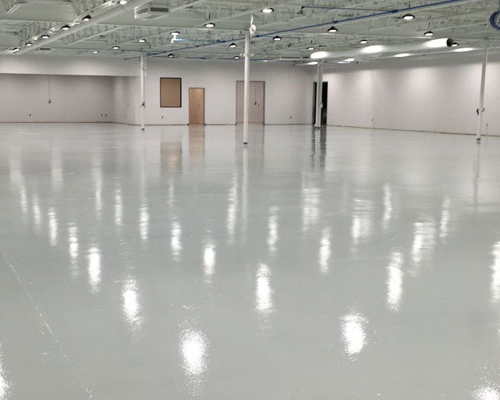
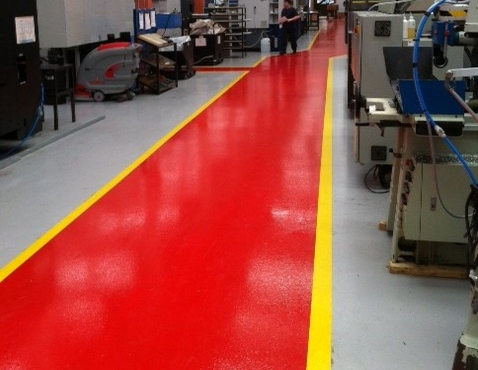
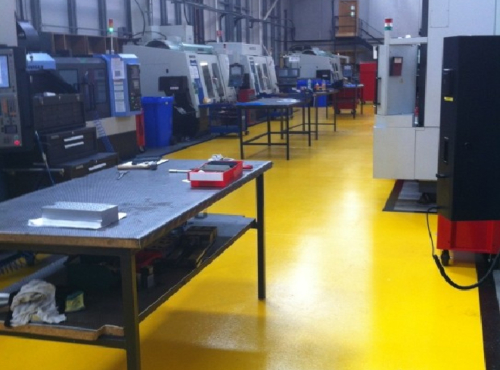
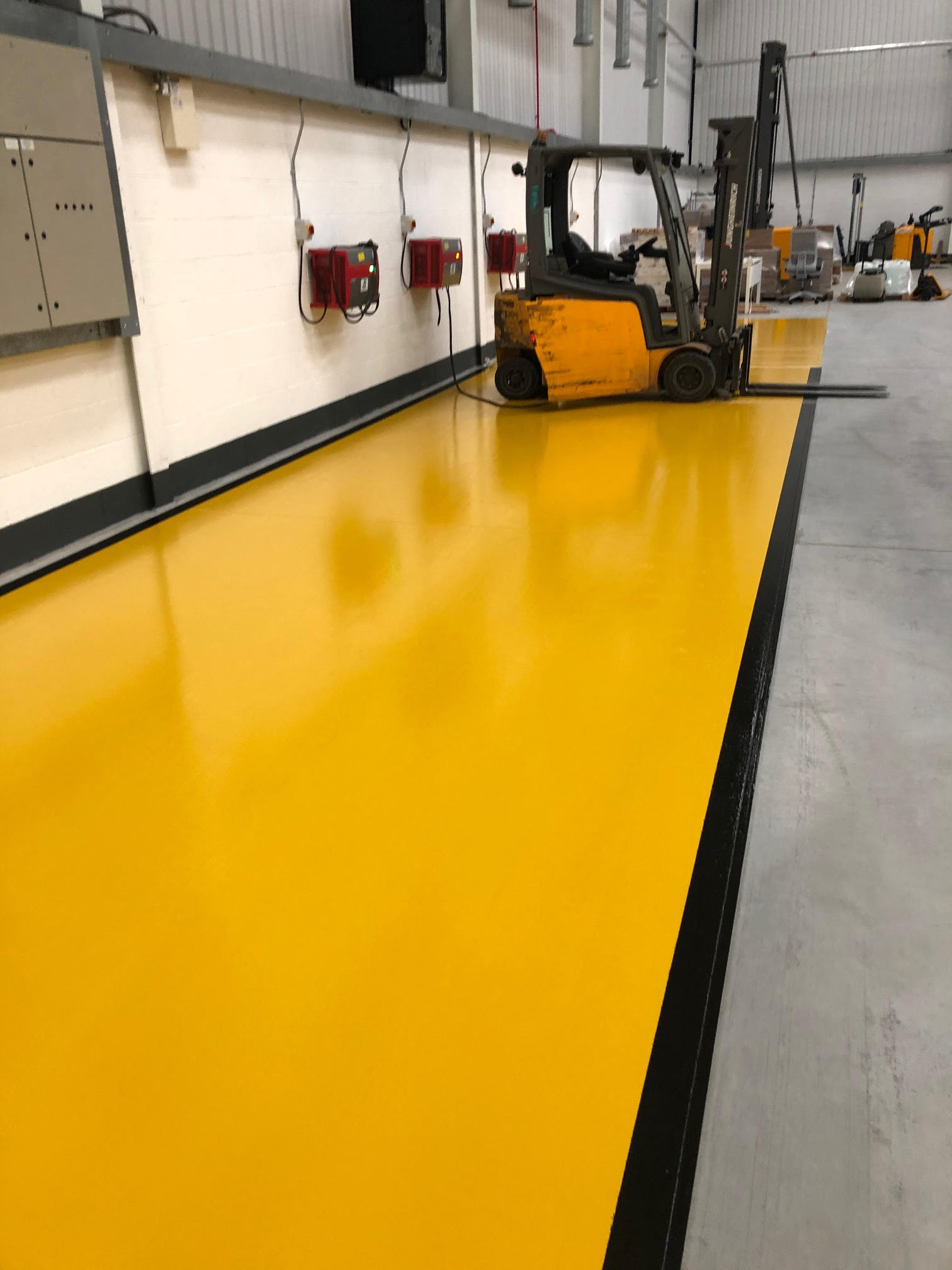
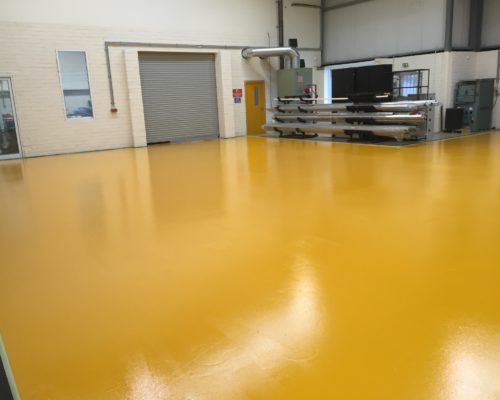
Healthcare Manufacture Plant
Client:
Trulife International
Location:
Airton Rd, Dublin, Ireland
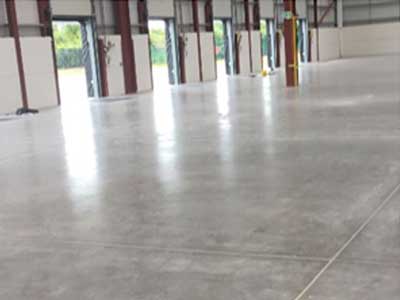
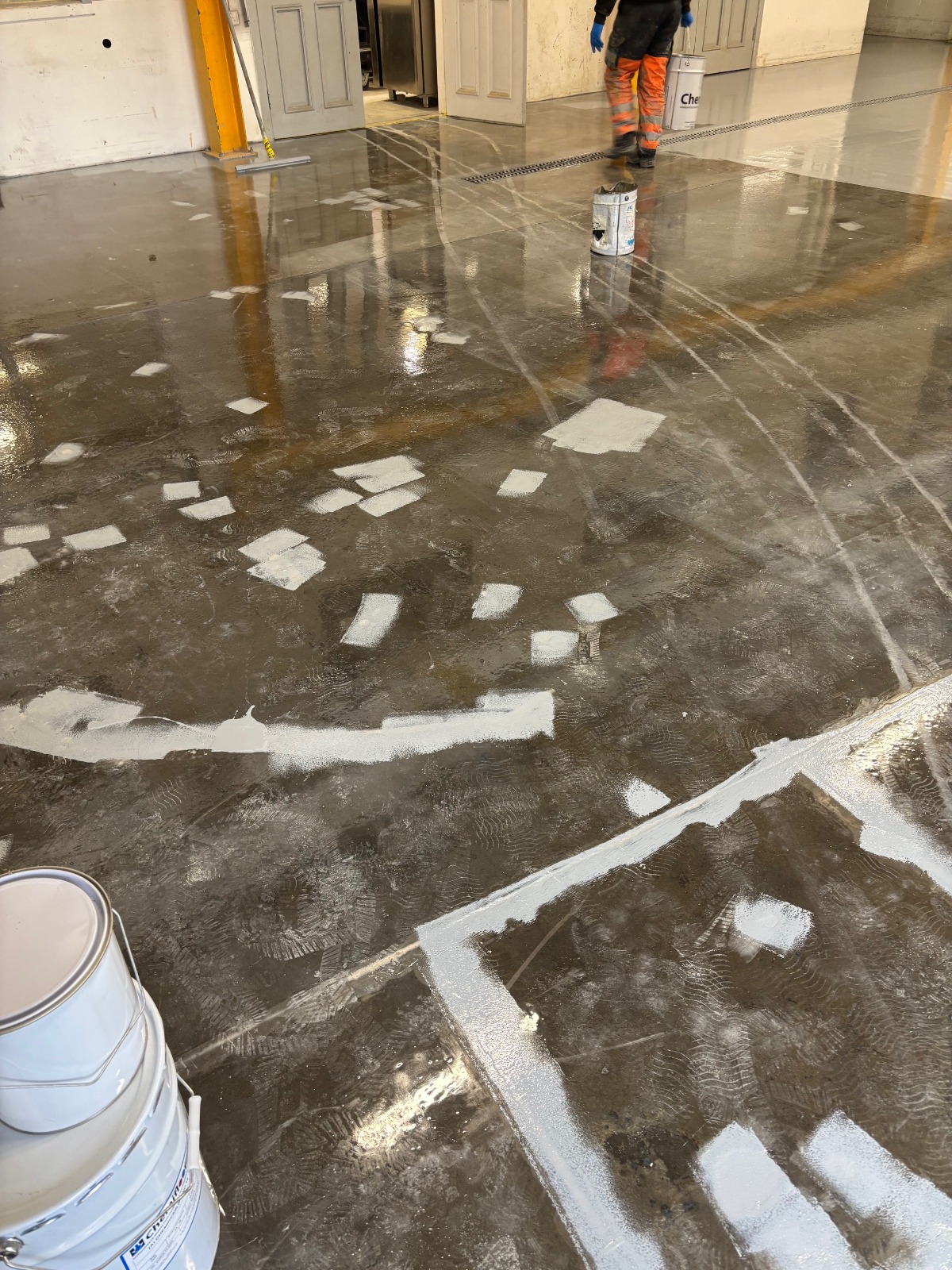
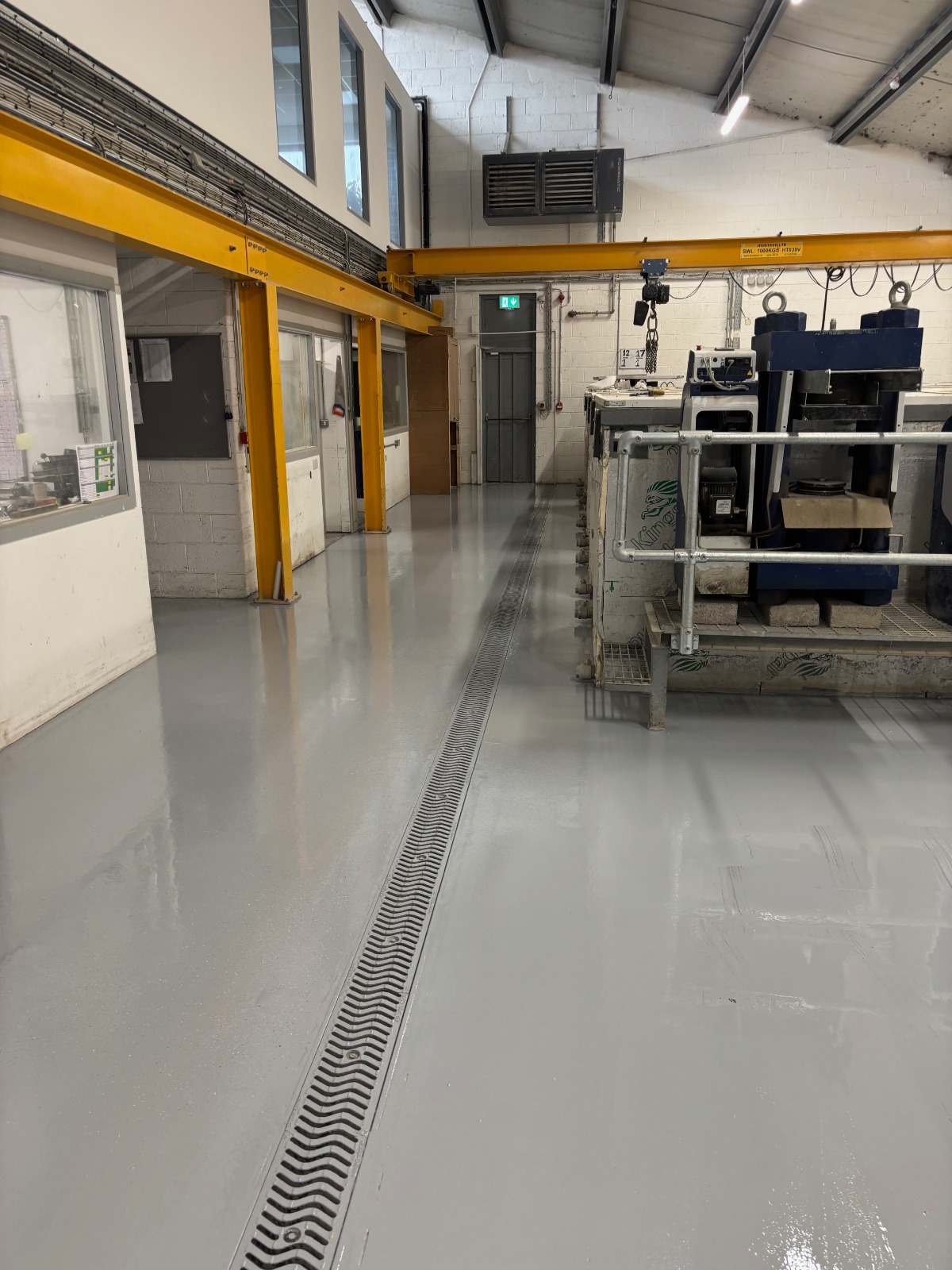
Old Concrete Refurbishment
Client:
Pressco Engineering
Location:
Dublin, Ireland
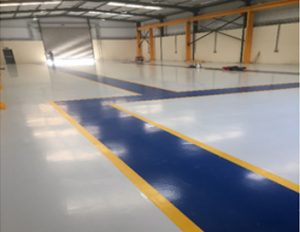
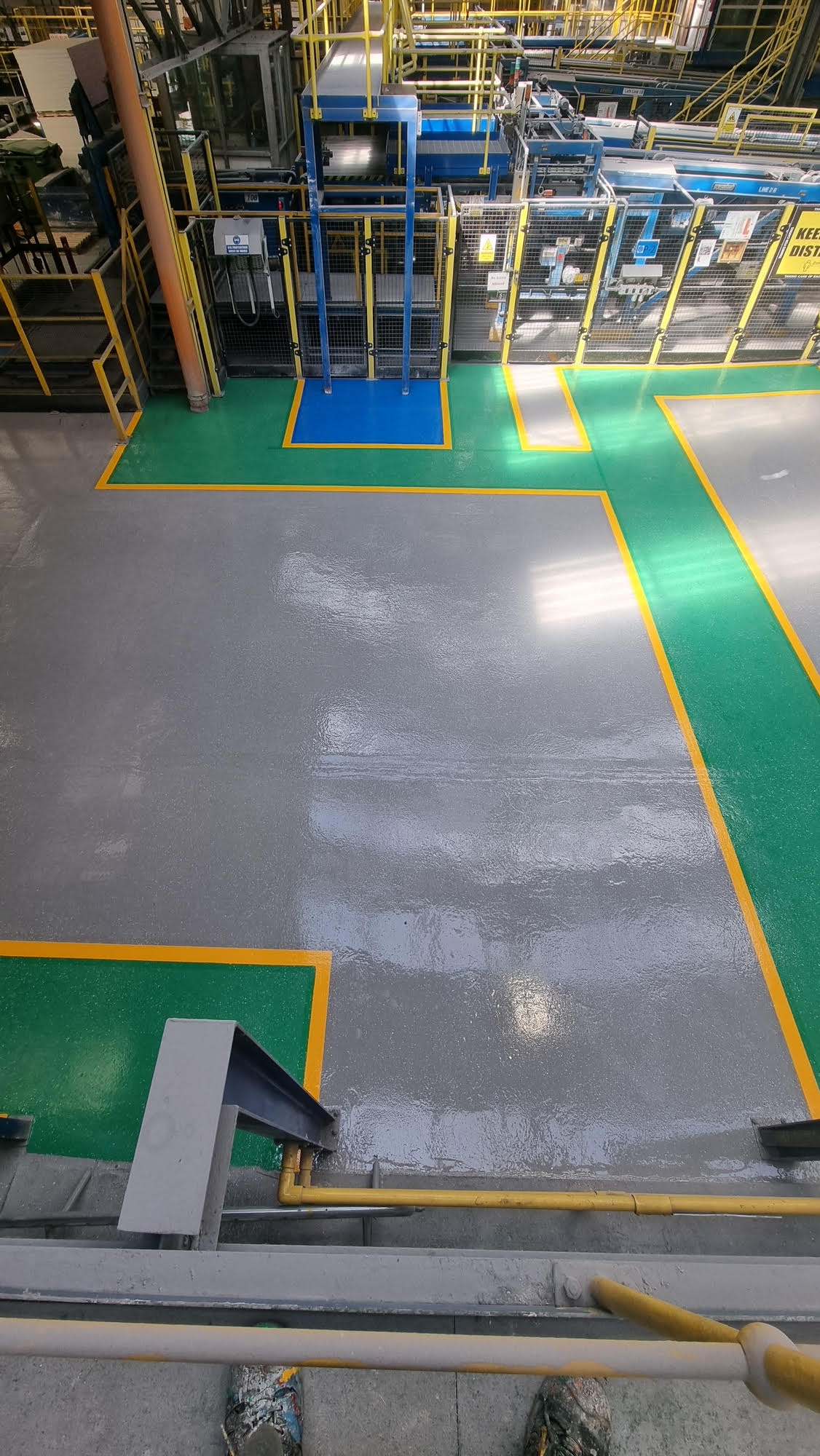
Anti Slip Flooring Installment
Client:
Tech Engineering
Location:
Bray, Ireland
Before & After
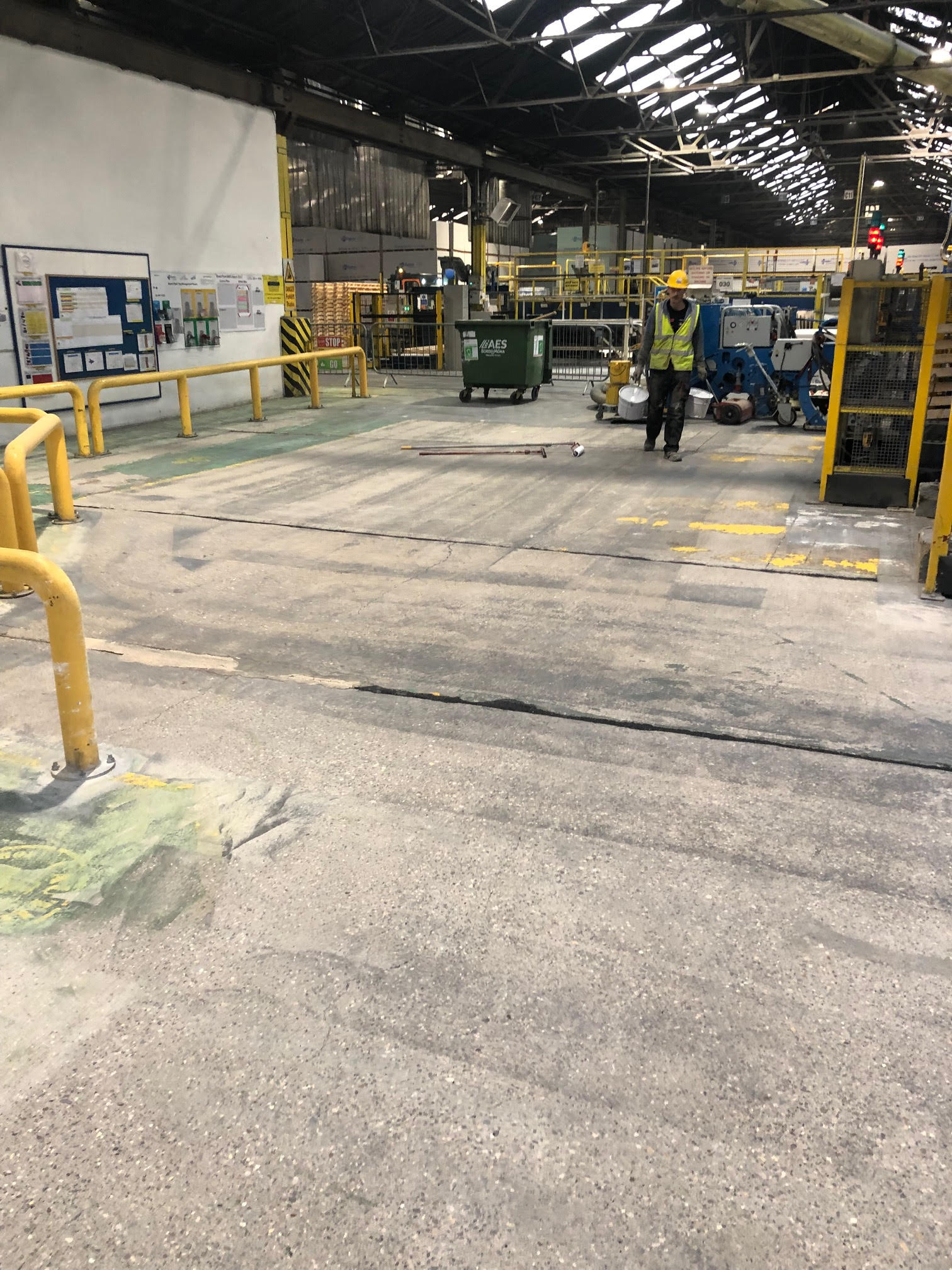
Before
After
Before
After